House Washing in Peachtree Corners: Maintenance Cleaning or Prep for Repainting?
Learn what a maintenance wash can accomplish, how cleaning supports repainting, and which remaining surface issues belong in an itemized estimate.
Start with the purpose of the wash
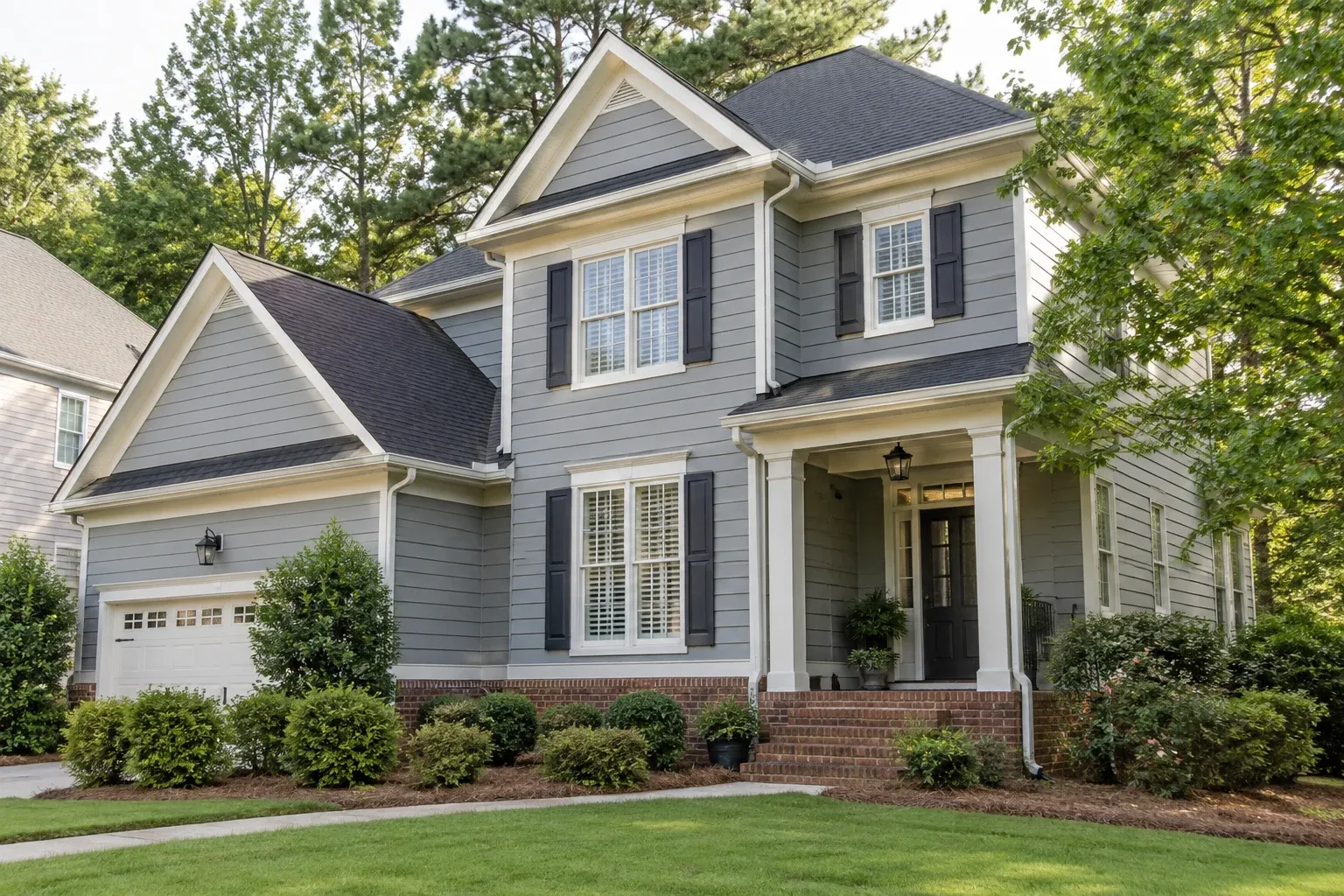
House washing in Peachtree Corners can serve two different purposes: maintaining an exterior you intend to keep, or cleaning it before an upcoming paint job. Both remove surface contamination, but they should not carry the same expectations. For a long-term homeowner, the useful question is not simply whether the house will look cleaner. It is whether the proposed wash addresses your current goal and clearly identifies the work that may still be needed afterward.
A maintenance wash aims to improve the condition and appearance of the existing finish without turning the visit into a repainting project. A wash connected to repainting is one step toward a suitable coating surface. When reviewing house washing options with Alpharetta Painters and Stainers (Paint and Stain), explain which outcome you want. Then compare the written scope against that outcome, rather than assuming that every estimate using the word “wash” includes the same work.
What a maintenance house wash should accomplish
Maintenance cleaning makes sense when the existing paint appears firmly attached and the main concern is accumulated dirt or surface growth. Its scope should identify the surfaces being cleaned, the treatment of affected areas and the rinsing method. Do not assume that a house wash also includes detached structures, decks or paved surfaces. Keeping those boundaries explicit helps you compare estimates without mistaking a broader cleaning package for a more thorough treatment of the siding itself.
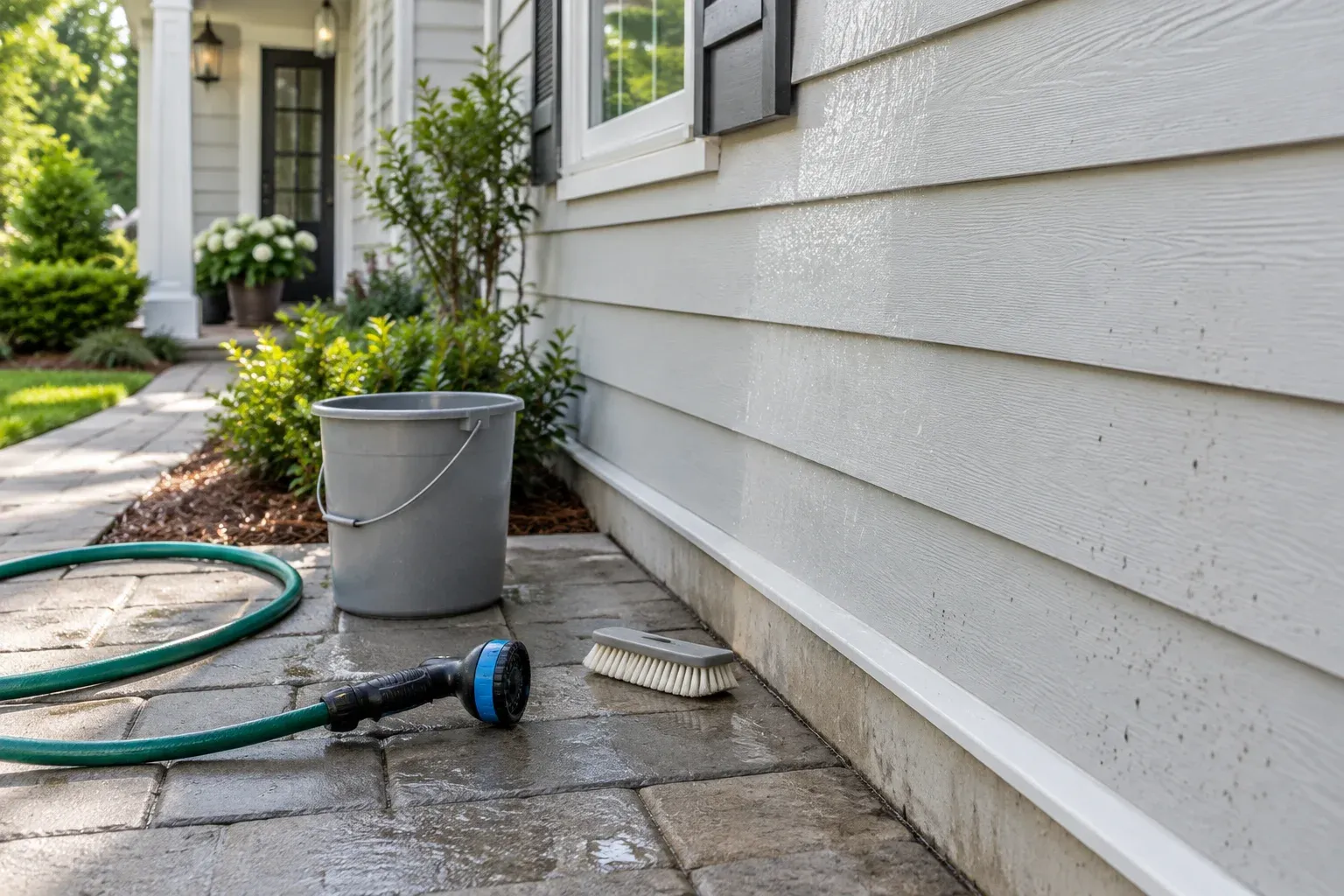
The cleaning method also needs to suit the material, not just the amount of dirt. James Hardie’s siding-cleaning guidance recommends a low-pressure hose and a soft nonmetal brush for its siding and trim, rather than a high-pressure power washer. That is product-specific guidance, not a rule for every exterior. Ask what siding you have and which manufacturer instructions apply. Greater pressure is not, by itself, evidence of a better maintenance wash.
What cleaning can reveal about the existing paint
Dirt can make a sound coating look tired, but it can also obscure actual wear. Before cleaning, a dull wall may be difficult to interpret: the appearance might come from contamination, weathering or both. Once the surface is clean and dry, differences in color, exposed patches and lifting paint edges may be easier to see. Washing reveals those conditions; it does not necessarily cause them, and it does not repair them.
Chalking deserves particular attention because it is not simply another name for dirt. Sherwin-Williams describes chalking as fine powder forming on the paint film through weathering, sometimes giving the appearance of fading. Some chalking can occur as paint wears, while heavy chalking can indicate excessive film erosion. A wall that looks brighter after washing may therefore still need assessment. Ask whether any remaining powder is coating residue and what that means for your maintenance or repainting decision.
How washing changes when repainting is the goal
When repainting is planned, washing needs to support the next stage rather than merely produce an immediate visual improvement. Sherwin-Williams’ surface-preparation guidance calls for removing contamination with an appropriate cleaner, rinsing thoroughly and allowing the surface to dry. It separately addresses peeled paint and glossy surfaces. Those separate instructions matter: cleaning is part of preparation, not a substitute for every preparation task. An estimate should make that distinction visible.
Remaining chalk may require more attention than the initial wash provides. Sherwin-Williams recommends washing again if chalk remains, with scrubbing where necessary, followed by thorough rinsing and drying. The method still needs to respect the siding manufacturer’s requirements. Ask whether this additional cleaning is included or priced separately, and who decides that it is needed. Avoid treating “washed” as an automatic sign-off for painting when residue is still present.
Why peeling paint remains a separate preparation issue
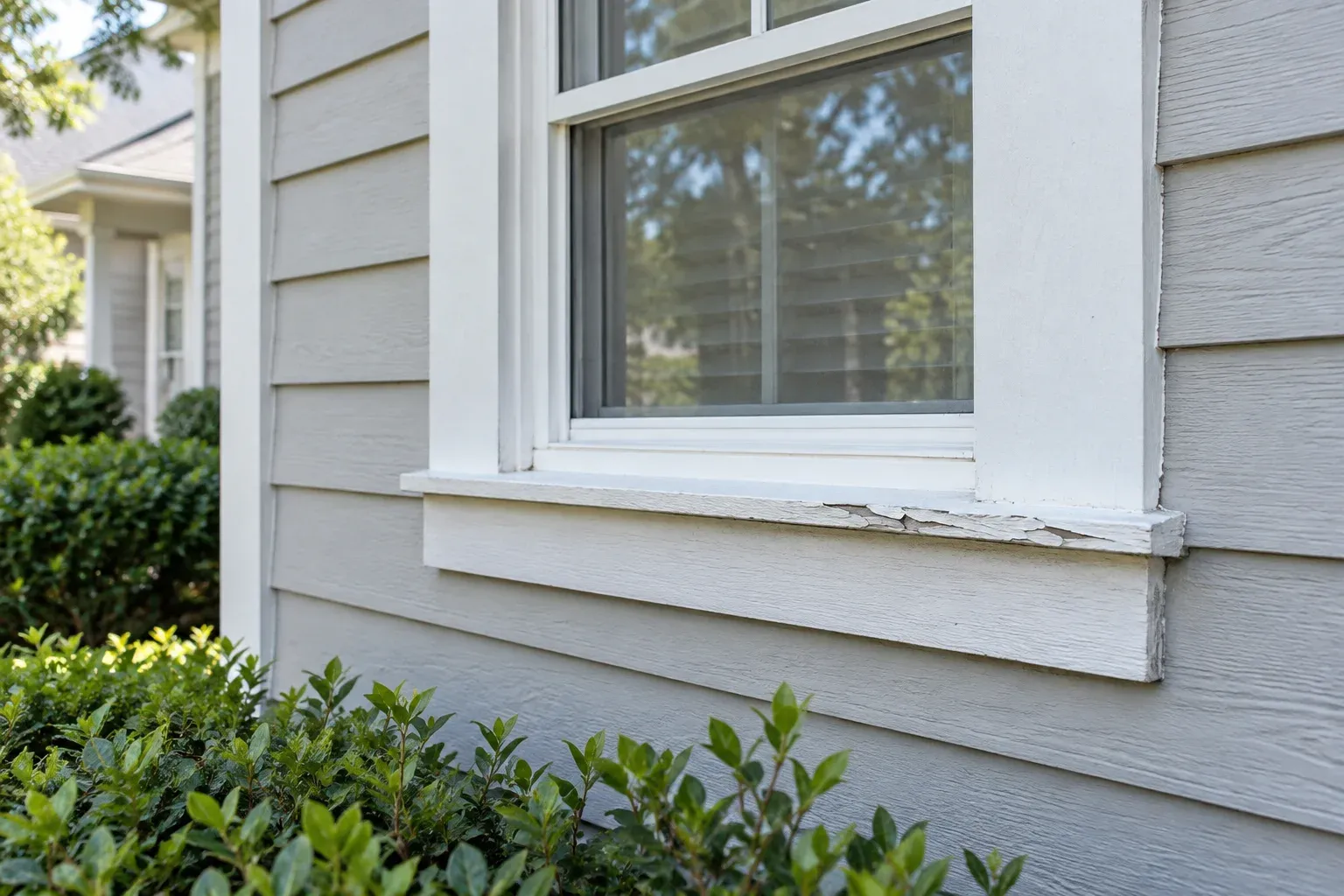
Peeling paint needs a different conversation. Washing may dislodge some already-loose material, but that does not establish that all unsound paint has been removed or that remaining edges are suitable for recoating. Benjamin Moore’s exterior guidance says the cause of peeling should be identified and corrected, and peeled edges smoothed. Keep the estimate focused on responsibility: who evaluates the peeling, who handles the follow-on preparation, and which tasks are outside the washing price?
Likewise, washing cannot replace damaged wood, restore failed joints or supply needed primer. If exterior house painting will follow, those items should be addressed in its preparation scope rather than hidden inside a vague cleaning description. Where older coatings may contain lead, disturbing paint also requires appropriate assessment and protective controls. Do not use aggressive washing as a workaround for that concern or assume ordinary cleaning includes hazardous-paint management.
Questions to ask about an itemized estimate
An itemized estimate is most useful when it separates cleaning from decisions that depend on what cleaning reveals. A description such as “wash exterior” leaves too much unanswered if repainting is imminent. Look for the included surfaces, material-appropriate cleaning approach, handling of remaining residue and exclusions. The same distinction matters to owners of small professional offices with painted siding: appearance maintenance and preparation for a new coating remain different objectives.
The handoff deserves its own question, especially if different contractors will wash and paint. Establish who inspects the dry surface and communicates unresolved conditions before the next work begins. Benjamin Moore emphasizes that the substrate must be fully dry before painting. Rather than accepting one universal waiting period, ask how dryness will be assessed for your material and conditions. A calendar appointment alone does not establish that a washed wall is ready.
- Which siding and trim surfaces are included in the wash?
- How will remaining chalk be assessed, and is repeat cleaning included?
- What happens if peeling paint or damaged material becomes more apparent?
- Which follow-on preparation tasks have separate line items?
- Who checks dryness and accepts the surface before painting?
Choose the scope that fits your next step
Choose maintenance cleaning when your immediate aim is to care for a finish that remains serviceable. Choose a clearly coordinated preparation wash when repainting is already planned. If you are undecided, explain that before requesting an estimate and ask how visible coating concerns will be documented. You can contact Alpharetta Painters and Stainers (Paint and Stain) to discuss house washing in Peachtree Corners with that distinction in mind: define the wash’s purpose, then identify what it cannot finish on its own.
Frequently asked questions
Can a maintenance house wash make repainting unnecessary?
It may improve the appearance of paint that remains sound, but it cannot restore an eroded coating or reattach peeling paint. Review the dry exterior after cleaning before deciding whether maintenance is enough.
Should chalky residue remain after washing for a paint project?
Remaining chalk should be evaluated before coating. Sherwin-Williams recommends additional washing, and possibly scrubbing, when chalk remains after the first wash. Ask how the contractor will assess the surface and account for any additional cleaning.
How long after house washing can exterior painting begin?
There is no single waiting period that fits every house. The substrate must be sufficiently dry for the selected coating, and conditions vary with material, exposure and weather. Ask how dryness will be checked rather than relying only on a scheduled date.