- Home
- Services
- Dry wall contractor
- Drywall finishing
Dry wall contractor
Drywall finishing that gives paint a better base
Get your walls ready for paint by looking at the surface underneath first. Alpharetta Painters and Stainers (Paint and Stain) provides Drywall finishing for homes and commercial properties across Greater Atlanta, with customized estimates that tie surface prep and repairs to the painting you choose.
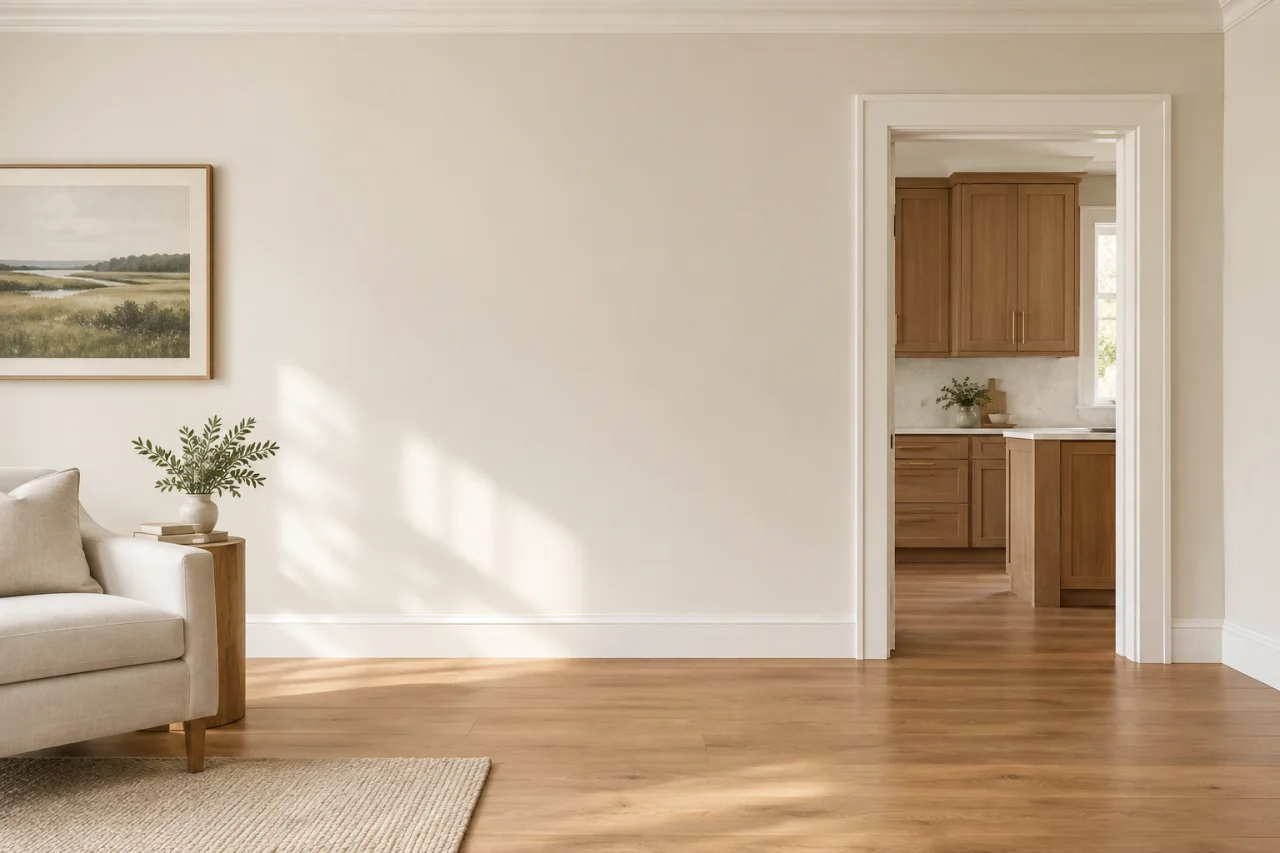
Before you repaint
Why You Need Drywall finishing
Paint changes color, but it won't flatten a ridge or fix an uneven seam. Drywall finishing deals with those details so your walls and ceilings are ready for the finish you want.
Joints that remain visible
Visible seams, sunken fastener spots and lifting tape should be fixed before repainting.
Repairs that interrupt the surface
Raised compound edges and uneven transitions around patches can stand out even after a fresh coat of paint.
Imperfections revealed by light
Light from windows and wall fixtures can pick out shallow scratches, sanding marks and uneven smoothness.
Surface condition and finish planning
Drywall finishing considerations
Drywall finishing choices depend on the surface condition, existing texture, lighting and the paint sheen you plan to use. Adding more compound won't fix every defect. Drywall patching may fit where a few openings break up an otherwise sound surface, and Drywall repair may cover broader damage or cracks that keep returning. Sort those out before choosing the finishing scope, along with drying time and how smooth the surface needs to be for the room's lighting and final finish.
Understand the surface
Talk about the board's condition, the existing texture, the room's lighting and the paint sheen you want. Loose board, active moisture or ongoing movement may need fixing before cosmetic finishing.
Define the work area
Which rooms and surfaces are included? Ask how nearby areas will be protected and how dust will be contained if there's sanding.
Consider layered finishing
Finishing usually means joint tape and several coats of compound with feathered edges. Ask about drying time between coats instead of assuming a fixed schedule.
Discuss paint readiness
Ask how ridges or shallow defects would be checked under side lighting, and what dust removal and priming the proposed painting scope covers.
A clearly defined project
What shapes your drywall finishing estimate
You can request a free, customized estimate with itemized pricing and choose work room by room or project by project. Describe the areas you're concerned about and whether you want finishing alone or finishing plus repainting.
Area and condition
Wall and ceiling area, the number of rooms, existing tape condition, and previous repairs all affect the work required.
Finish and access
Spot finishing is a different job from a full skim coat. Texture blending, ceiling height, tight access and protecting rooms people are using also affect the scope.
The work beyond finishing
Check whether dust removal, primer and painting are included, so prep and the final finish get planned together.
Lighting and local conditions
Choose the finish for the room, not just the wall
Greater Atlanta's humidity can slow compound drying, especially in rooms without steady air conditioning or ventilation. The material needs to dry properly between coats and before sanding.
Large windows and directional lighting can make seams easier to see. When weighing standard joint finishing against a broader skim coat, think about how light falls across your walls and what sheen you plan to use. Not every room needs the more extensive finish.
A practical finishing tip
Check with side lighting before primer
Before you prime a small finished patch, shine a portable light across the wall at a low angle. It shows ridges and scratches that overhead lights hide. Lightly sand only the raised spots with a fine-grit sanding sponge, then wipe off the dust.
Don't dry-sand older textured surfaces or coatings you're unsure about until they've been checked for hazardous materials. If damage keeps coming back or there's an active leak, fix the cause before any cosmetic finishing.
Questions and answers
What is the difference between drywall finishing and drywall repair?
Drywall repair fixes damage like holes or broken sections. Drywall finishing smooths joints, fastener marks, corners and repaired areas with tape and joint compound as needed. A damaged wall may need both before it's ready for primer and paint.
Does my room need a Level 5 finish or standard joint finishing?
Not every room needs a Level 5 finish, which adds a skim coat over the whole surface. Standard joint finishing may be enough where the lighting and paint finish are more forgiving. Strong directional light, higher-sheen paint or unevenness across the surface make a broader skim coat worth talking about.
Can a finished patch blend into the surrounding wall texture?
Feathering the compound edges and working with the existing texture help a patch blend in. The right approach depends on the texture, the state of earlier repairs, the lighting and the planned paint finish, so check those when setting the finishing scope.
How do humidity and room ventilation affect drying time?
Humidity and poor ventilation can slow joint-compound drying, and each coat has to dry before the next stage of finishing. With Greater Atlanta's humidity, plan around the room's actual conditions instead of assuming a fixed drying time.
Does the estimate include primer and interior painting?
Primer and interior painting can be planned with drywall finishing, but don't assume they're included. Your customized, itemized estimate should list the finishing work you picked and say whether priming and painting are part of the same scope.
Free estimates across Greater Atlanta
Tell us what needs attention
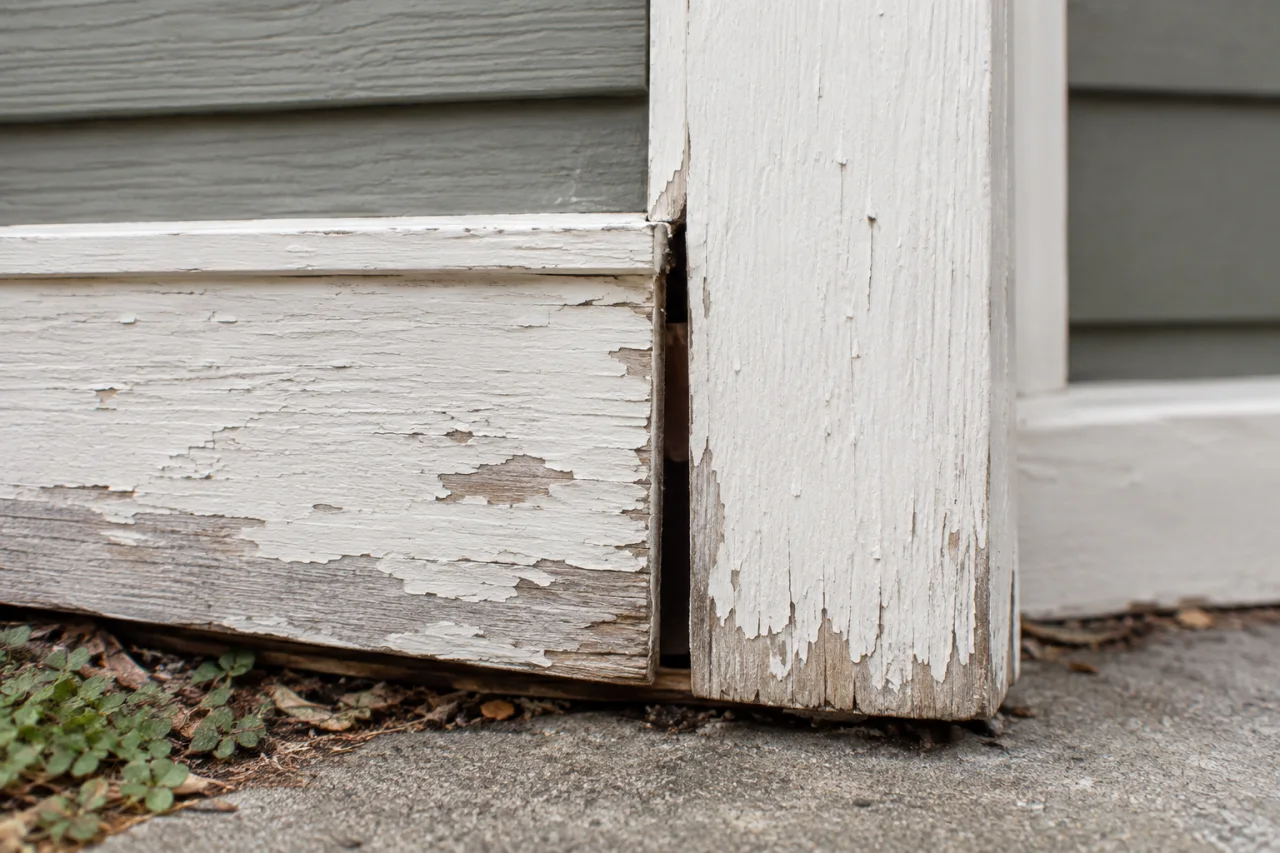
Tell us which rooms, cabinets or exterior features you want to refresh, where the property is and any damage you've spotted. Then request a free estimate, and we'll talk through prep, finish choices and a scope that fits your priorities.