Water Damage Repair in Alpharetta: What a Paint-Ready Handoff Should Include
A practical homeowner’s guide to the records, material decisions and preparation needed between stopping a leak and repainting.
Start With a Record, Not a Paint Date
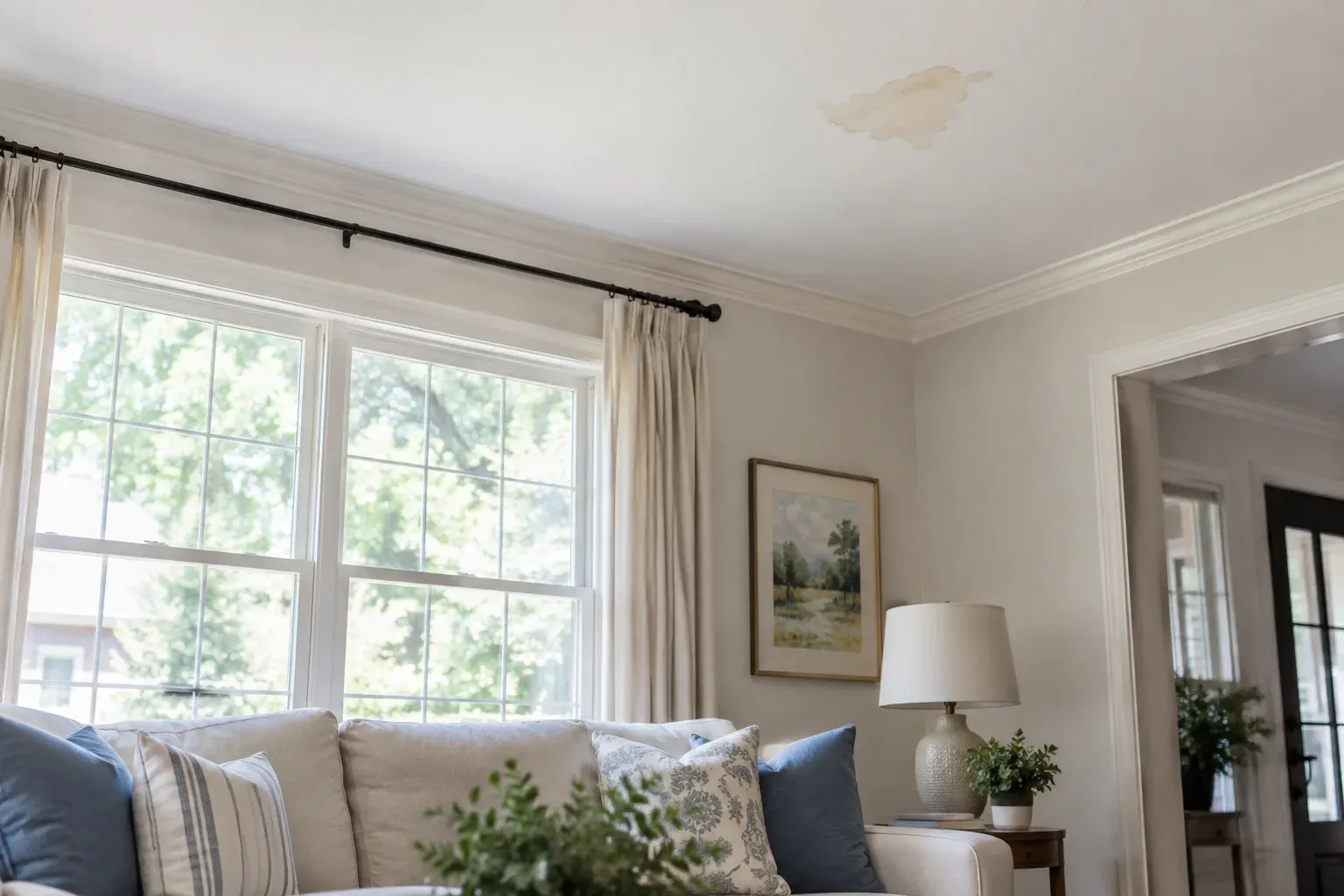
Water damage repair in Alpharetta involves more than stopping a drip and covering the mark it left. For homeowners maintaining a house over the long term, the important transition is between correcting the moisture problem and declaring the surface ready for paint. A useful handoff record connects those stages: the cause, the correction, the drying evidence, the material decisions and the preparation still outstanding.
Treat the record as a shared reference, not a certificate that everything is finished. A plumbing invoice may establish that a fitting was replaced without saying anything about the ceiling below it. When organizing Water damage repair documentation, separate source correction from drying, rebuilding and coating preparation. Each stage should identify who completed it and what remains unresolved before the next person starts work.
Record the Cause and the Correction Separately
Begin with a plain-language description of the source and its location. “Upstairs bathroom leak” is less useful than identifying the failed connection and the room beneath it. Keep dated photographs showing the original stain and accessible affected areas. Ask whether the cause was confirmed or remains suspected; a record should preserve uncertainty rather than turn a possible explanation into an established fact simply because work has begun.
Then document what was corrected, by whom and when, including any follow-up check described by the person responsible. If water entered through an exterior assembly, an interior stain alone does not establish the full repair boundary. The discussion of planning for concealed siding damage explains why accessible findings and unresolved areas should be recorded separately. Keep exterior corrective work distinct from the later decision to close and paint interior surfaces.
Ask How Drying Was Verified
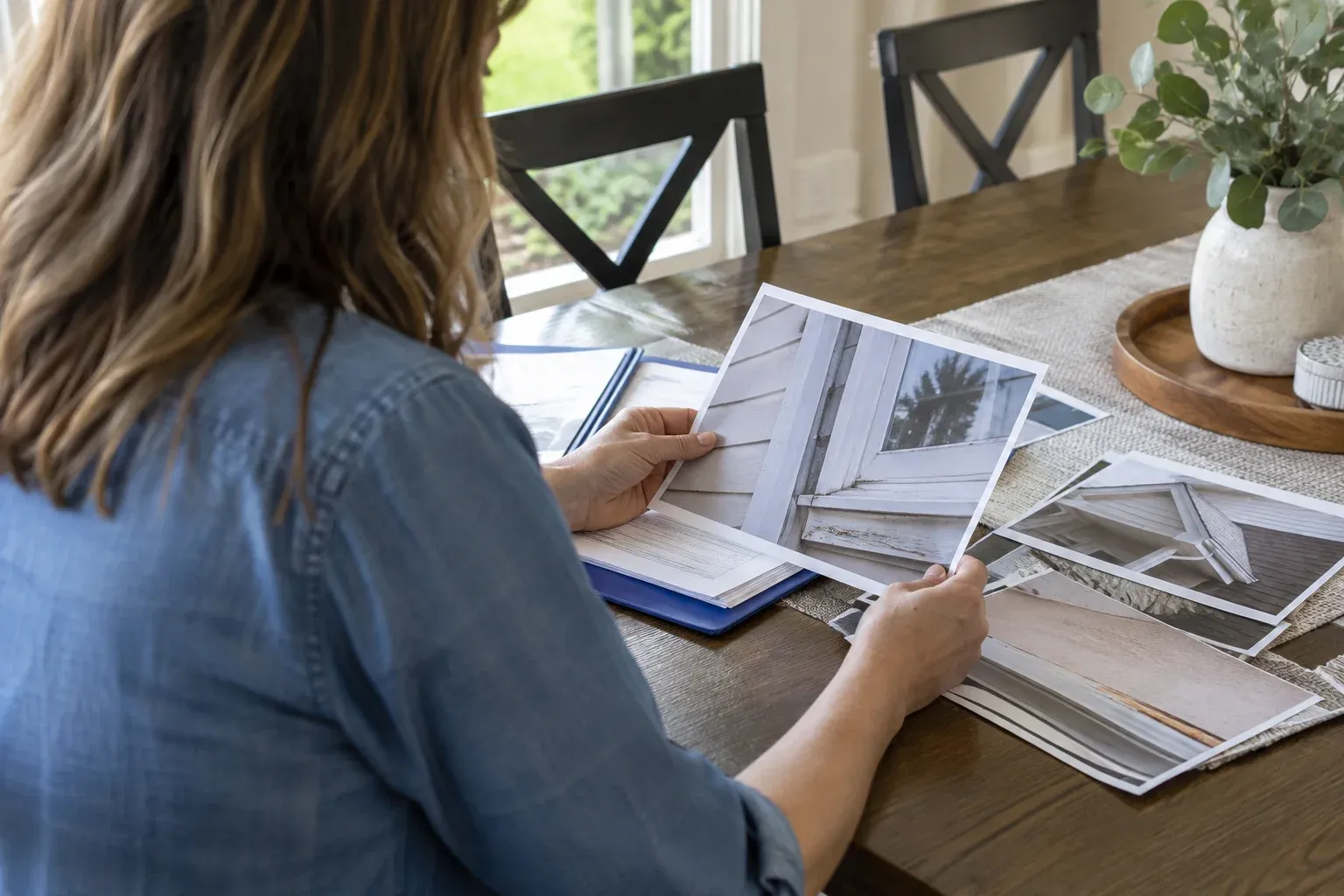
Next, ask what supports the drying decision. A surface that looks lighter or feels dry does not establish the condition of everything behind it. Useful notes identify the materials checked, the locations, the dates and the method used. Where moisture readings are taken, request their interpretation, including any comparison with unaffected material. A number without its material, instrument context or measurement location is difficult for the next trade to use.
Avoid turning elapsed time into proof. EPA’s water-damage guidance describes prompt drying as a mold-prevention measure, not a universal countdown to painting. Its recommendations also distinguish clean-water damage from contaminated-water situations. Ask the person responsible for drying to identify limitations, including inaccessible cavities or materials that were not evaluated. An unresolved musty odor or renewed dampness warrants further investigation rather than a scheduled coat of primer.
Explain Which Materials Were Retained or Replaced
List what stayed, what was removed and what was replaced. EPA guidance allows some clean-water-damaged wallboard to dry in place when there is no obvious swelling and seams remain intact; otherwise, it calls for removal and replacement. That is not permission to keep every stained panel. The record should explain the condition found and the basis for retaining material, especially where paper, seams or adjacent insulation were affected.
Before an opening is closed, retain photographs of accessible conditions and a description of replacement materials. Do not expect the painter to reconstruct concealed work from a finished patch. If exterior boards were replaced as part of correcting the source, keep their identification too. Guidance on matching replacement siding is relevant when the same incident creates both an interior repair and an exterior appearance decision that must be resolved separately.
Define the Edges of the Repair
Water can affect more than the central stain. Include nearby baseboards, molding, flooring edges and cabinet surfaces in the written scope where they were affected. State whether they were checked, repaired, excluded or left for another specialist. When baseboards must come off around flooring work, coordinating baseboards with new flooring helps clarify sequencing so that a wall repair does not conceal an unfinished flooring edge or create avoidable touch-ups later.
Also distinguish sound existing finishes from surfaces requiring restoration. On decorative molding, indiscriminate buildup of filler and paint can obscure profiles; preserving detail on painted molding is a separate preparation concern from flattening a drywall patch. If a cabinet finish was affected, reviewing a sample door can help define the intended appearance after material suitability is settled. Neither appearance discussion substitutes for resolving moisture or damaged substrate first.
Identify What Preparation Remains
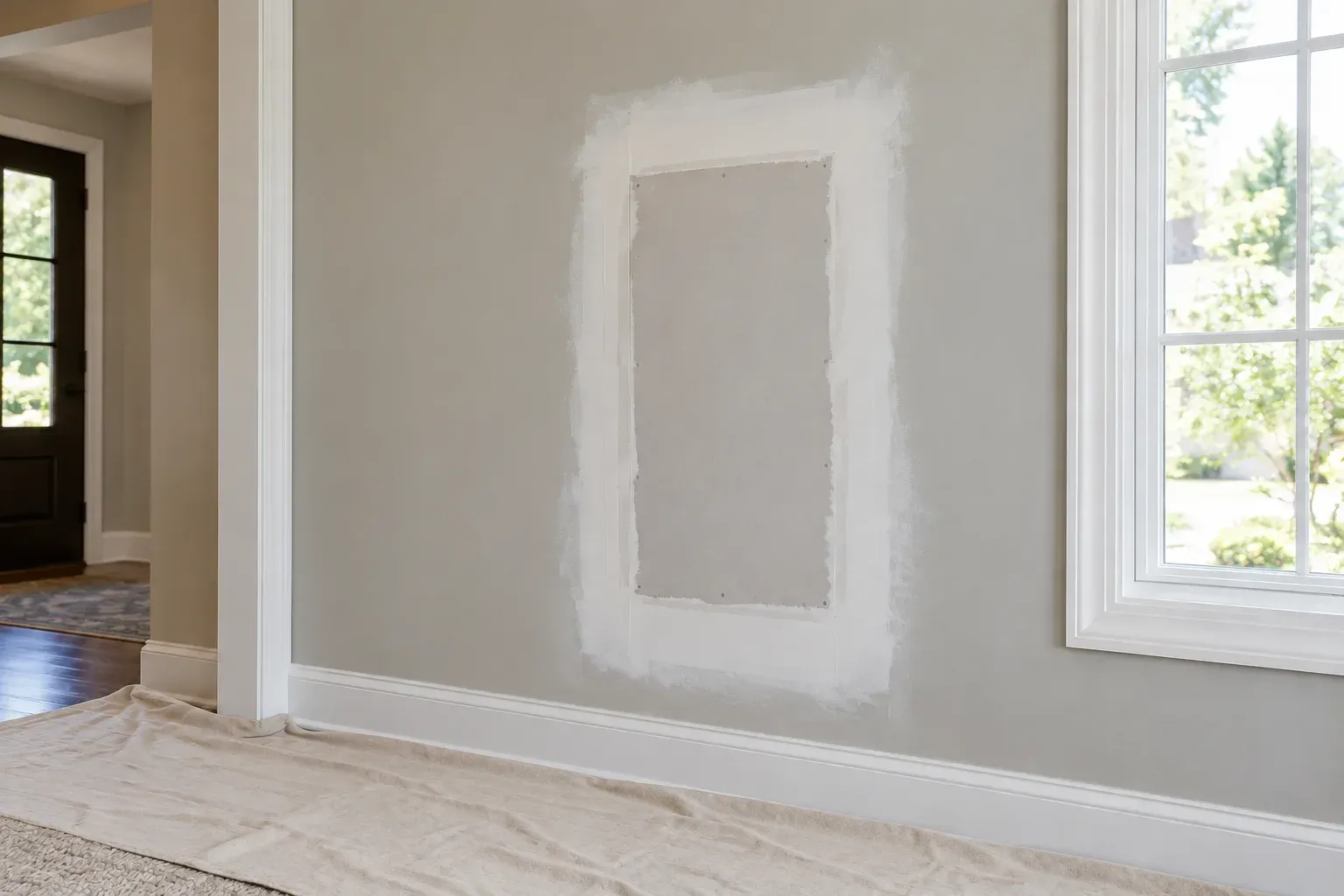
The handoff should say whether drywall installation alone is complete or whether finishing is complete too. Taped joints, dried compound, smooth transitions and dust removal are distinct tasks. Sherwin-Williams’ surface-preparation guidance calls for joint and patching materials to dry thoroughly before sanding, cleaning and priming. Inspect the repair in ordinary room lighting and side light before coatings make uneven edges or texture differences more noticeable.
Record who will remove loose coating, address remaining surface defects and select a compatible primer system. Existing stain and fresh joint compound may present different preparation needs. Before disturbing older coatings, address applicable lead-safe requirements rather than treating sanding as routine. If mold is present or suspected, pause the painting sequence: EPA advises against painting or caulking moldy surfaces and calls for cleanup and drying before painting.
Approve the Painting Stage With the Record in Hand
Stain-blocking primer belongs after source correction, drying and suitable material repairs—not in place of them. Sherwin-Williams’ water-stain repair sequence puts source repair and damaged-material repair ahead of sealing the stain with an appropriate primer. Record the proposed product and follow its application and recoat instructions. Also agree whether finish paint will cover only the repair or extend to a natural boundary, since color and sheen can differ from aged surrounding paint.
Before authorizing the final coating stage, gather the cause description, correction record, drying notes, material decisions and remaining preparation into one folder. Name the person responsible for each unfinished item and keep questions visible until answered. For water damage repair in Alpharetta, that practical handoff gives homeowners a clearer basis for proceeding: not simply that the leak stopped, but that the affected surface is ready for its next stage.
- Source and correction documented
- Drying evidence and limitations recorded
- Retained and replacement materials identified
- Remaining preparation assigned
- Primer and finish-paint boundaries agreed
Frequently asked questions
Does a completed leak repair mean the ceiling is ready to paint?
No. Stopping the leak addresses the source, but affected materials still need to be evaluated, dried and repaired as necessary. Surface preparation and an appropriate primer must also be addressed before finish paint.
What drying information should a homeowner request?
Ask which materials and locations were checked, when they were checked, what method was used and how the results were interpreted. If moisture readings were taken, keep them with their locations and any comparison readings rather than retaining only an unexplained number.
Can stain-blocking primer replace damaged drywall?
No. Primer can help prevent residual discoloration from bleeding through paint on a suitable surface. It does not restore weakened drywall, dry a wet cavity or resolve mold contamination.